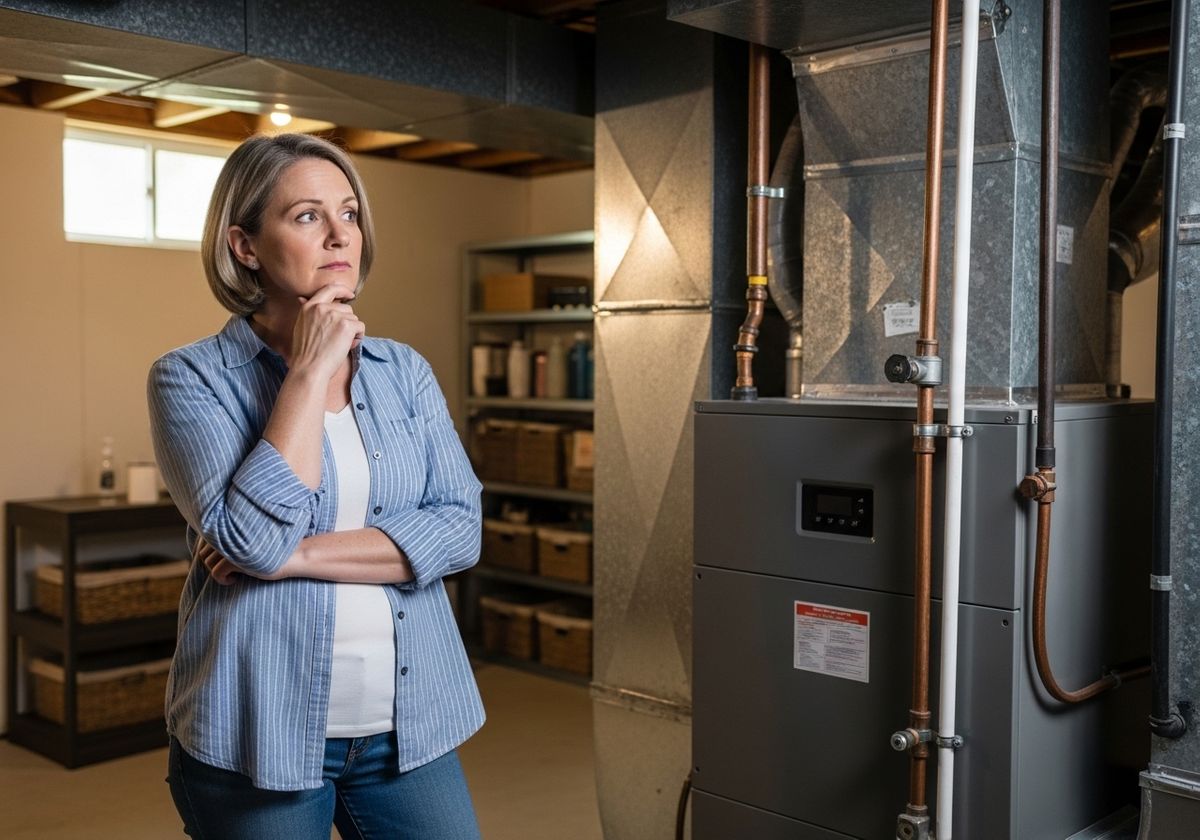
Considering whether to repair or replace your New Hampshire HVAC system can be a tough decision. As a homeowner, you want to ensure your home is comfortable year-round, but you also need to be mindful of costs. Let's explore some key factors to help you make an informed choice.
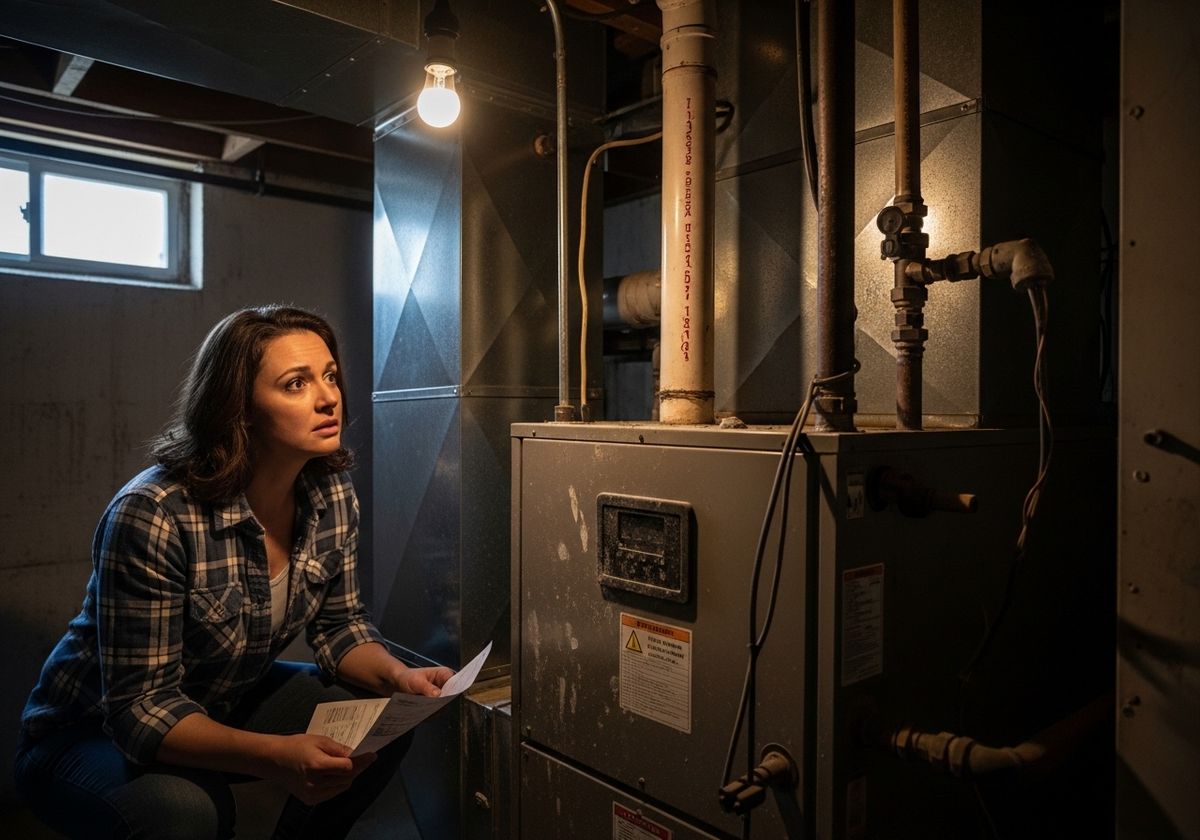
Age of Your System
The lifespan of an HVAC system is typically 10-15 years. If your unit is nearing this age, it may be time to start thinking about a replacement. Older systems often become less efficient, leading to higher energy bills and more frequent repairs.
Frequency of Repairs
Are you calling for repairs multiple times a year? It might seem like you're saving money by fixing the system each time, but these costs can add up quickly. Frequent breakdowns are a sign that your system is struggling and may be nearing the end of its life. Consider whether the ongoing repair costs outweigh the investment in a new, more reliable system.
Energy Efficiency
Older HVAC systems tend to be less energy-efficient than newer models. If your energy bills are rising, it could be a sign that your system is losing efficiency. Upgrading to a new, energy-efficient system can save you money on your monthly bills and reduce your carbon footprint.
Cost of Repairs
When a major component fails, such as the compressor or heat exchanger, the cost of repair can be substantial. A good rule of thumb is that if the repair cost is more than 50% of the replacement cost, it's usually more economical to replace the system. This is especially true if your system is already old or inefficient.

Comfort Levels
Is your home consistently comfortable? If you notice uneven heating or cooling, or if some rooms are always hotter or colder than others, your HVAC system may not be performing well. A new system can provide more consistent and even temperatures throughout your home.
New Technology and Refrigerants
HVAC technology is constantly evolving. Newer systems come with advanced features like smart thermostats, variable-speed blowers, and improved filtration. Additionally, older systems may use refrigerants that are being phased out due to environmental concerns. Upgrading to a new system ensures you're using the latest, most environmentally friendly technology.
Making the decision to repair or replace your HVAC system requires careful consideration of several factors, including age, repair frequency, energy efficiency, repair costs, and comfort levels. By evaluating these aspects, you can determine the most cost-effective and beneficial option for your home.
If you're in the process of evaluating your current HVAC system, reach out to DIONAIR Heating & Cooling for expert advice and service. Contact us today for reliable residential HVAC services and discover how we can help you maintain a comfortable and efficient home environment!