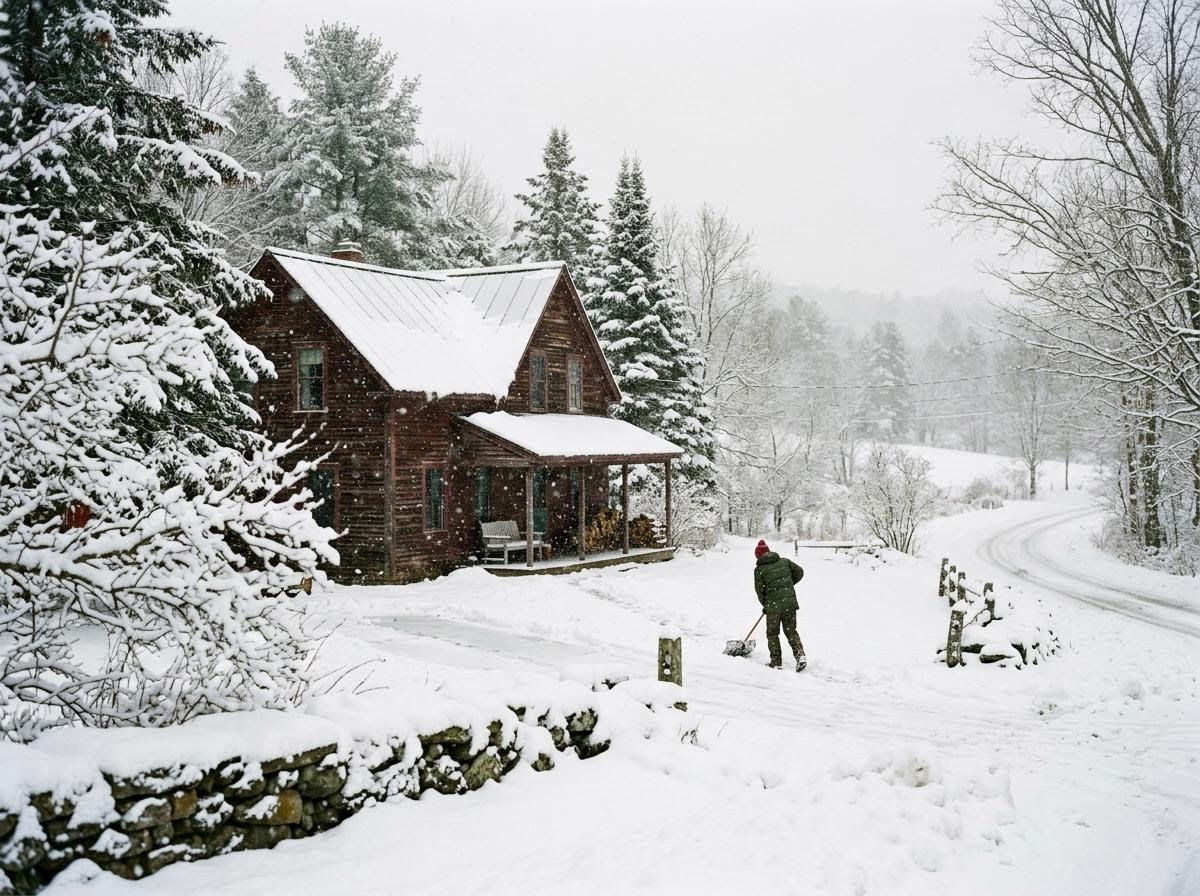
Winter weather can bring many challenges, and one of the most frustrating for homeowners is dealing with frozen pipes. When temperatures drop, the water inside your plumbing can turn to ice, leading to potential damage and costly repairs if not addressed quickly and correctly. At DIONAIR Heating & Cooling, we understand the importance of maintaining a comfortable and safe New Hampshire home, and we're here to help you navigate such situations. Understanding what steps to take can minimize risk and help keep your home's essential systems running smoothly.
Identifying Frozen Pipes and Their Risks
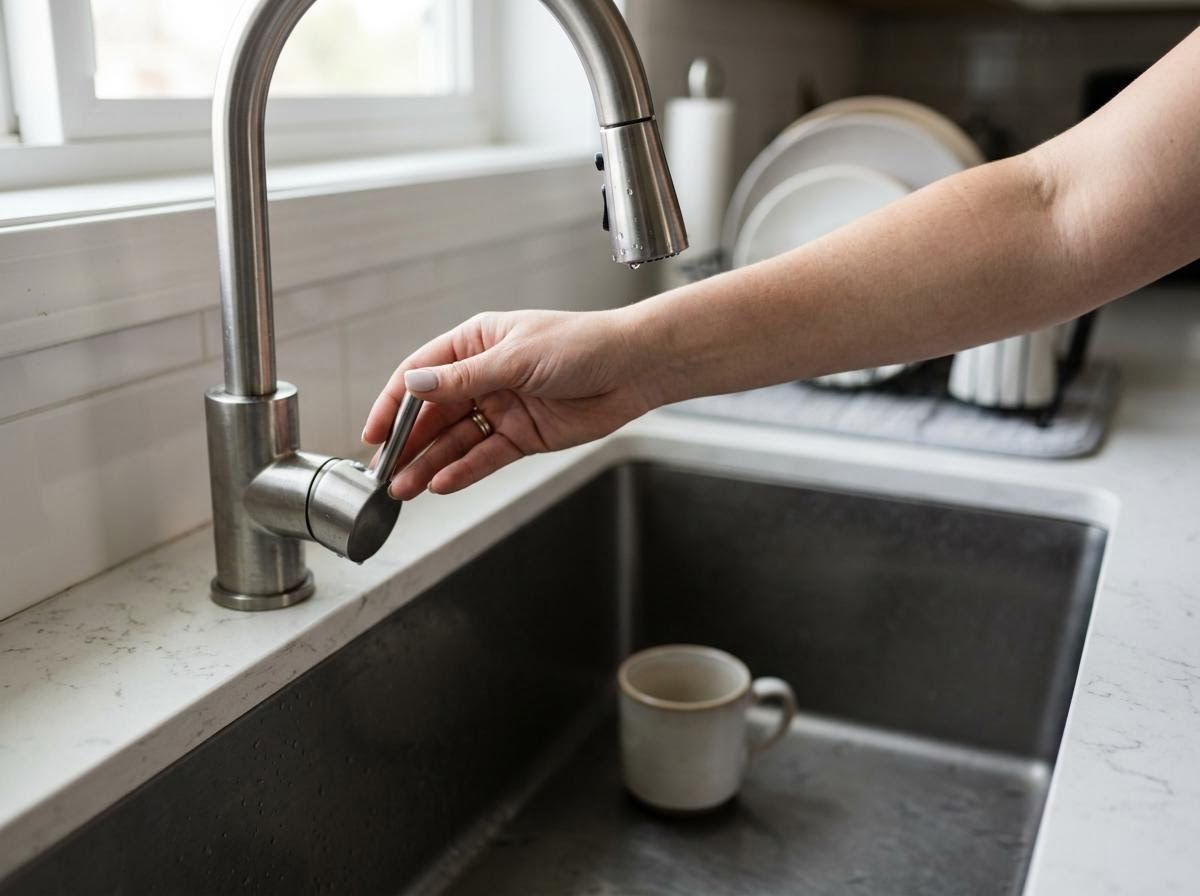
The first step in addressing frozen pipes is knowing how to identify them. A common indicator is a noticeable drop in water pressure or no water at all coming from a faucet. You might also see visible frost on exposed pipes, particularly those in unheated areas like basements, crawl spaces, or outside walls. Beyond the inconvenience of interrupted water supply, frozen pipes pose a significant risk of bursting. As water freezes, it expands, putting immense pressure on the pipe walls. A burst pipe can lead to extensive water damage, mold growth, and expensive structural repairs, making prompt action crucial to prevent a minor issue from becoming a major headache.
Safe Methods for Thawing Frozen Pipes
If you suspect or confirm a frozen pipe, there are several actions you can take, but always prioritize safety. First, immediately turn off the main water supply to your home to prevent flooding if a pipe bursts during or after thawing. Next, locate the frozen section of the pipe. You can gently apply heat using a hairdryer, a portable space heater (kept at a safe distance), or by wrapping the pipe with warm towels. Slowly and steadily apply heat, starting from the faucet end and working your way back. Never use an open flame device, such as a propane torch, as this is extremely dangerous and can cause a fire or damage the pipe. Once thawed, turn the water supply back on slowly and check thoroughly for any leaks.
Preventing Future Freezes and Ensuring Year-Round Comfort
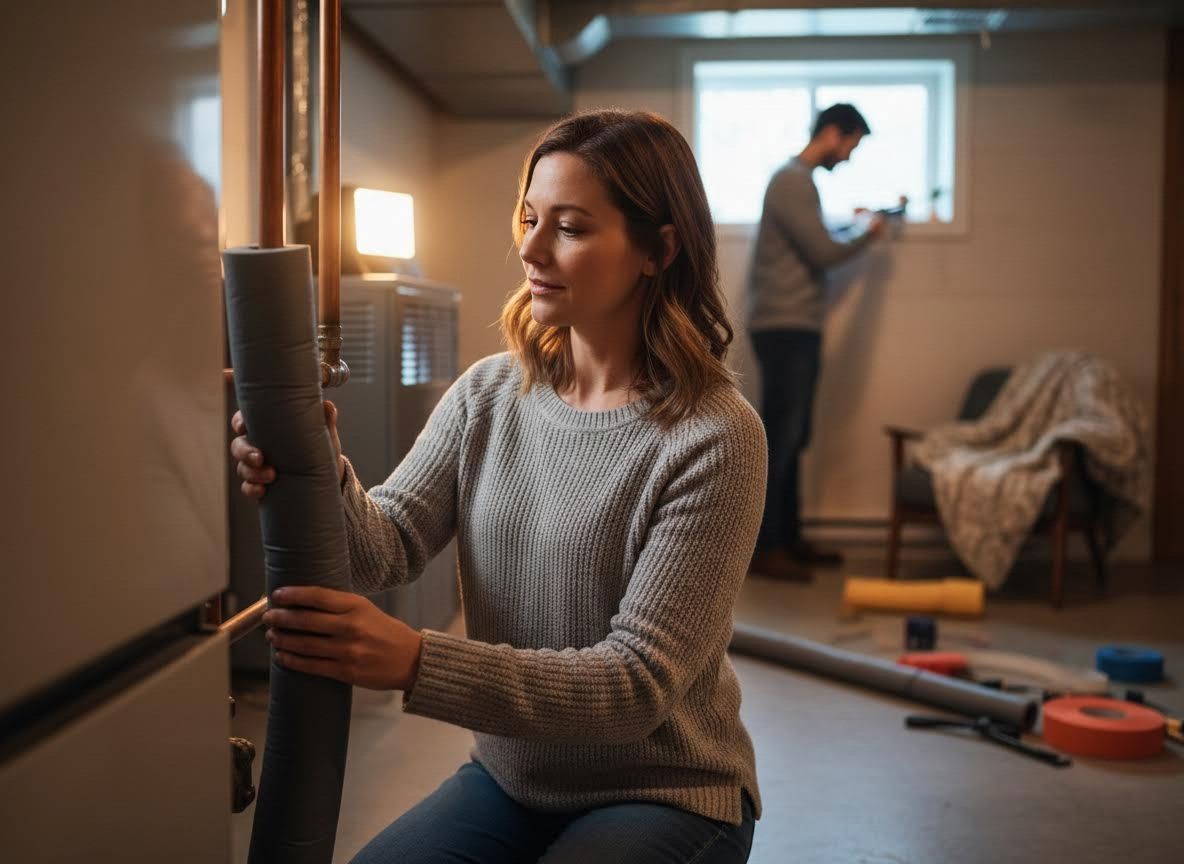
The best way to deal with frozen pipes is to prevent them from happening in the first place. There are several proactive steps New Hampshire homeowners can take to protect their plumbing during cold snaps. Ensure proper insulation for pipes in unheated areas, seal any cracks or holes in your home's exterior that could allow cold air to reach pipes, and consider keeping your thermostat set to a consistent temperature, even when you're away. For ultimate peace of mind and to ensure your home is ready for any weather, regular maintenance of your heating system is vital.
Expert Assistance for All Your HVAC Needs
Dealing with frozen pipes can be a stressful experience, but by understanding the signs, knowing how to safely thaw them, and implementing preventative measures, you can protect your home from potential damage. For comprehensive support with your year-round comfort needs — whether it's routine maintenance, an unexpected water heater repair, or even local AC repairs in warmer months — our experienced team at DIONAIR Heating and Cooling is always ready to help!