Maintaining your commercial refrigeration system is crucial for ensuring food safety, preventing costly breakdowns, and maximizing energy efficiency. A well-maintained system operates reliably, keeping your products at the correct temperature and minimizing spoilage. Regular maintenance can also extend the lifespan of your equipment, saving you money in the long run. Here's a simple checklist to help you keep your New Hampshire commercial refrigeration units in top condition.
Daily Tasks
Check Temperatures: Verify that all units are holding the correct temperatures. Use a calibrated thermometer to ensure accuracy. Compare the readings to your set points and make adjustments as needed.
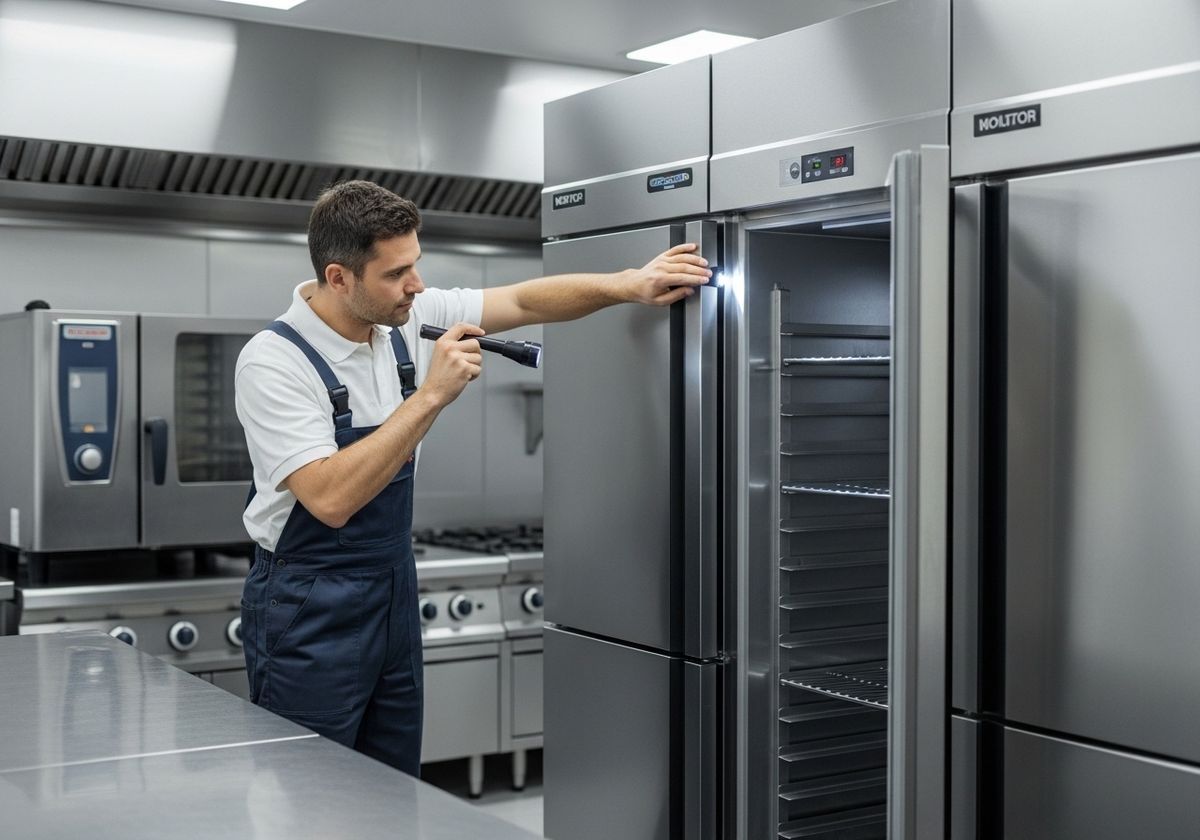
Inspect Door Seals: Examine door seals for any signs of damage, such as tears, cracks, or gaps. Damaged seals allow warm air to enter, causing the unit to work harder and potentially leading to temperature fluctuations. Clean the seals with a mild detergent and warm water.
Listen for Unusual Noises: Pay attention to any unusual noises coming from the refrigeration units, such as loud humming, rattling, or grinding. These noises could indicate a problem with the compressor, fan motor, or other components. Investigate and address the source of the noise promptly.
Weekly Tasks
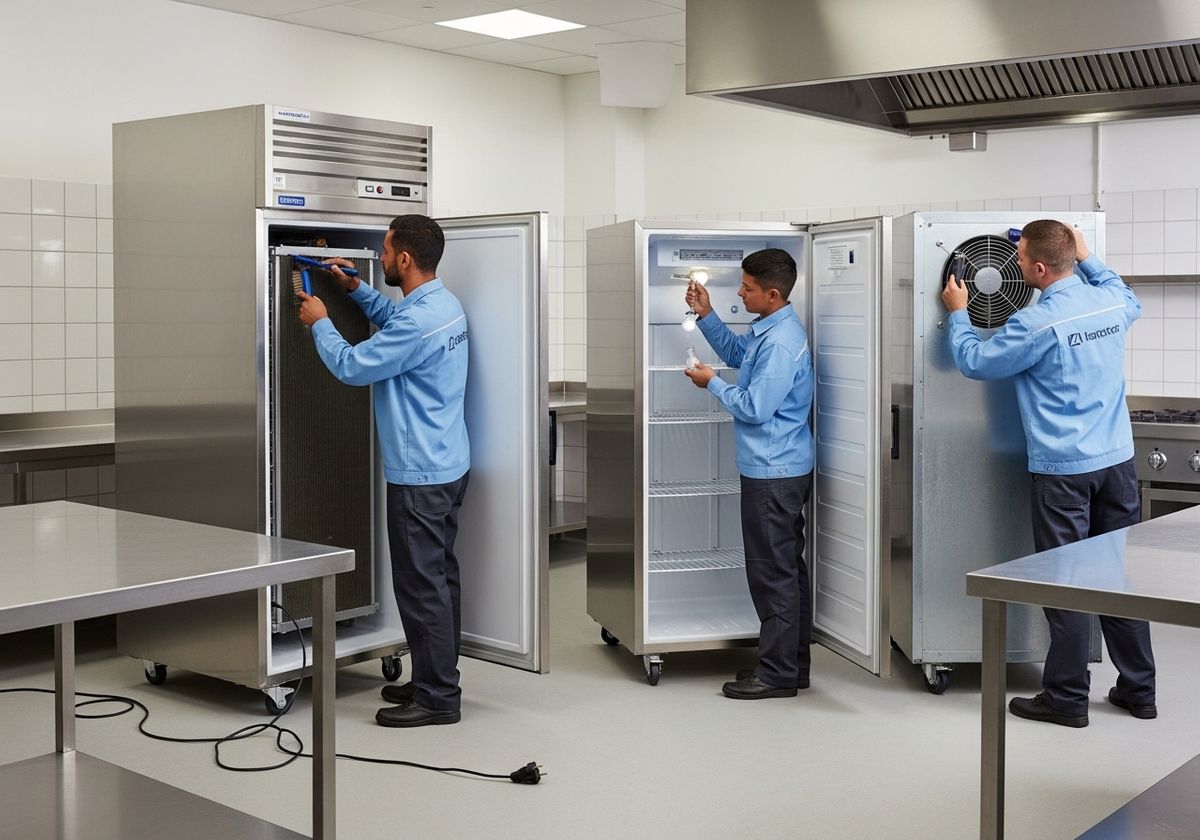
Clean Condenser Coils: Dirty condenser coils reduce the unit's ability to dissipate heat, leading to decreased efficiency and increased energy consumption. Use a brush or vacuum with a soft brush attachment to remove dust, dirt, and debris from the coils. Ensure the unit is turned off before cleaning.
Check Fan Operation: Verify that all fans are operating smoothly and efficiently. Check for any obstructions that may be blocking airflow. Clean fan blades as needed.
Inspect Interior Lighting: Check the interior lights of the refrigeration units and replace any burned-out bulbs. Proper lighting ensures that employees can easily see and access products, reducing the amount of time the doors are open.
Monthly Tasks
Defrost Units: If your units do not have automatic defrost, manually defrost them on a monthly basis. Remove all products from the unit and follow the manufacturer's instructions for defrosting. Clean the interior of the unit after defrosting to remove any residual ice or moisture.
Check Drain Lines: Inspect drain lines for clogs or blockages. Clear any obstructions to ensure proper drainage of condensation. Use a wet/dry vacuum or a pipe cleaner to remove debris from the drain lines.
Review Temperature Logs: Analyze temperature logs to identify any trends or anomalies. Investigate any significant temperature fluctuations and take corrective action as needed. Maintaining accurate temperature logs is essential for food safety compliance.
Quarterly Tasks
Professional Inspection: Schedule a professional inspection and maintenance service with a qualified HVAC/R technician. A technician can perform a more thorough inspection of the system, including checking refrigerant levels, testing electrical components, and calibrating controls.
Clean Evaporator Coils: While condenser coils should be cleaned more frequently, evaporator coils also need periodic cleaning. These coils are located inside the refrigerated space and can accumulate dust and mold over time. A professional cleaning will ensure optimal performance.
Check Refrigerant Levels: A properly charged refrigerant system is essential for efficient operation. A technician can check refrigerant levels and add refrigerant if needed. Refrigerant leaks should be repaired promptly to prevent further loss and environmental damage.
Regular maintenance is key to keeping your commercial refrigeration equipment running smoothly and efficiently in New Hampshire. By following this simple checklist and enlisting the help of qualified professionals, you can minimize downtime, reduce energy costs, and ensure the safety of your products. Remember, DIONAIR Heating & Cooling is here to help with all your commercial HVAC needs. Contact us today to ensure your commercial refrigeration is running efficiently!